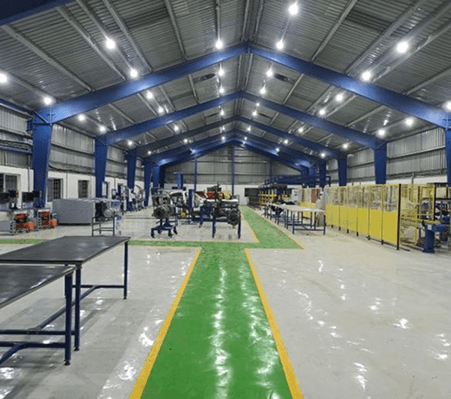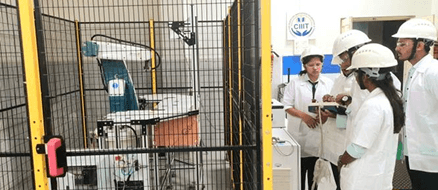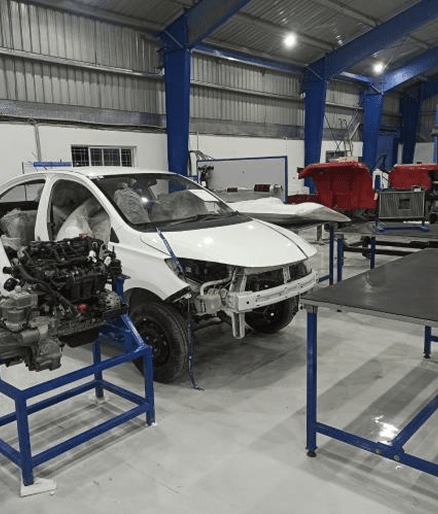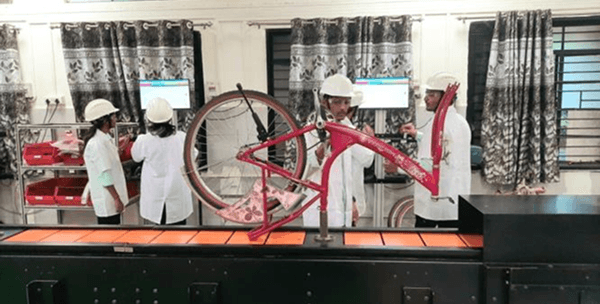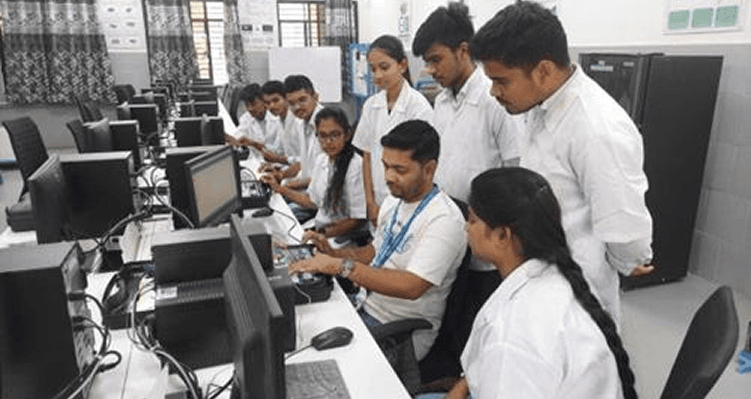
If you ask students what comes to mind when they hear the word "manufacturing," many still imagine noisy factory floors, repetitive work, and limited growth. But that picture no longer fits reality. Manufacturing today is smarter, faster, and deeply connected to technology. This transformation is known as Industry 4.0, and it's quietly reshaping career paths for students across disciplines.
Understanding Industry 4.0
Industry 4.0 represents the shift from traditional manufacturing to digitally driven production systems. Machines are no longer isolated tools; they communicate with each other, collect data, and make decisions in real time. Technologies such as Artificial Intelligence (AI), Internet of Things (IoT), robotics, cloud computing, and data analytics work together to create intelligent factories that are efficient and adaptive.
Why This Change Matters for Students
For students, this change matters because the skills industries demand are evolving rapidly.
Earlier, having strong theoretical knowledge or a single technical skill was often enough to secure a job. Today, companies are looking for professionals who can understand systems, analyze data, and work comfortably with digital tools. This doesn't mean traditional engineering or manufacturing knowledge is obsolete—it means it must now be combined with digital thinking.
Blurred Career Paths
Digital manufacturing has blurred the lines between different career paths. Mechanical engineers work with software teams, IT graduates collaborate with production planners, and data analysts play a role in improving factory performance. As a result, students from engineering, computer science, electronics, and even management backgrounds can find opportunities in Industry 4.0–driven roles.
Emerging Career Opportunities
Some of the emerging career options include automation engineers, robotics specialists, smart maintenance planners, manufacturing data analysts, and digital quality control experts. What makes these roles exciting is that many of them didn't exist a few years ago. They reward people who are willing to learn continuously and adapt to new technologies.
The Mindset Shift Required
However, succeeding in Industry 4.0 requires more than just learning tools. It requires a mindset shift.
Students need to move beyond exam-oriented learning and focus on practical exposure. Understanding how sensors work, how data is collected, or how automation improves efficiency can make a big difference. Small steps—such as online certifications, internships, workshops, or hands-on projects—can significantly improve employability.
Equally important are soft skills. Communication, teamwork, and problem-solving are critical in digital manufacturing environments where professionals from different domains work together. Employers value students who can explain ideas clearly and think critically just as much as those who can code or design systems.
The Future Has Begun
In the end, Industry 4.0 is not taking away opportunities—it is creating new and better ones. Students who prepare early, stay curious, and build both technical and digital skills will find themselves well-positioned for the future.
Manufacturing is no longer just about machines. It's about intelligence, innovation, and people who know how to bring technology and ideas together. And for students today, that future has already begun.