Mobility is changing faster than ever before. Petrol engines are making way for electric motors, and vehicles are no longer just machines—they are becoming intelligent systems capable of sensing, learning, and making decisions. This shift toward electric vehicles (EVs) and autonomous technologies is redefining the transportation industry, and students today need to be ready for what lies ahead.
Preparing for the Future
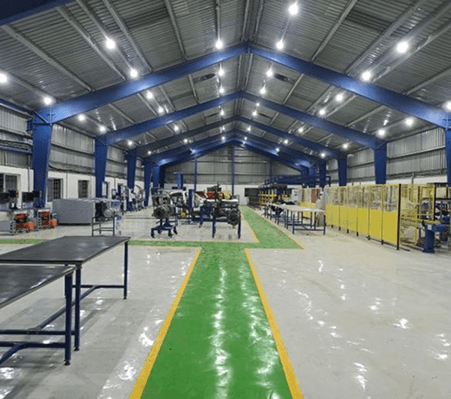
At CIIIT, training in EV and autonomous vehicle technology is designed to prepare students for this rapidly evolving future. Instead of limiting learning to theory, the focus is on helping students understand how modern mobility systems actually work in the real world.
Understanding Electric Mobility from the Ground Up
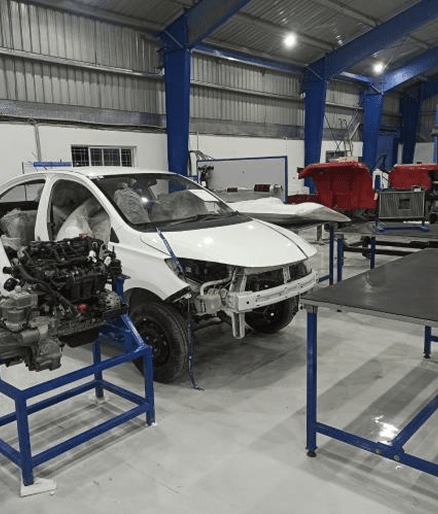
Electric vehicles are more than just cars with batteries. They involve power electronics, energy storage systems, electric motors, charging infrastructure, and intelligent control systems. Students trained in EV technology gain exposure to how these components interact to create efficient, sustainable transportation solutions.
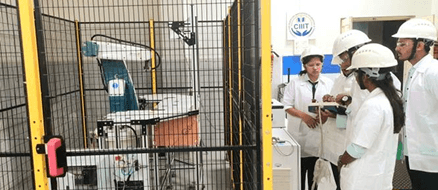
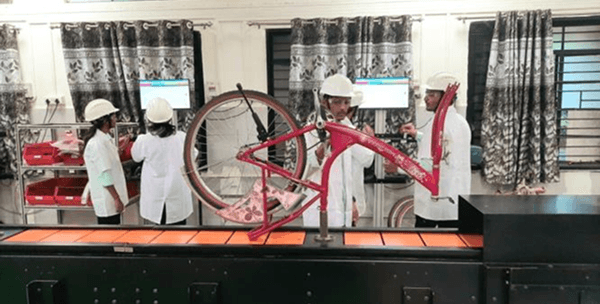
Through practical sessions and guided learning, students understand concepts such as battery management systems, motor controllers, regenerative braking, and energy optimization. This hands-on approach helps them connect classroom concepts with real applications, making learning both meaningful and engaging.
As governments and industries worldwide push toward cleaner mobility, professionals with EV expertise are in high demand. Early exposure gives students a strong advantage in future job markets.
Exploring the Intelligence Behind Autonomous Vehicles
Autonomous vehicles represent the next leap in mobility. These systems rely on sensors, cameras, data processing, and intelligent algorithms to perceive their surroundings and make driving decisions. For students, learning about autonomous technology is not just about cars—it's about understanding the fusion of software, electronics, and artificial intelligence.
Training in this domain introduces students to concepts such as sensor integration, decision-making logic, basic machine learning, and safety systems. Even at an introductory level, this knowledge helps students appreciate how complex technologies work together to enable self-driving capabilities.
Building Skills for Future-Ready Careers
What makes EV and autonomous vehicle training truly valuable is the skill set it builds. Students develop problem-solving abilities, system-level thinking, and adaptability—qualities that modern industries actively seek. They learn to work across disciplines, combining mechanical knowledge with electronics, programming, and data-driven thinking.
These skills open doors to diverse career paths, including EV manufacturing, automotive electronics, mobility startups, research roles, and advanced studies in transportation technology.
Driving Innovation and Sustainability
The future of mobility is not just about convenience; it's about sustainability and smart innovation. By training students in EV and autonomous vehicle technologies, institutions like CIIIT are nurturing responsible engineers who understand the impact of their work on society and the environment.
As the world moves toward cleaner, smarter transportation, students equipped with these skills won't just follow trends—they'll help shape them. The road ahead belongs to those who are prepared, and the journey toward future mobility starts right here.